“acid treatment” search results (3000)

Introduction to the characteristics of Peruvian Coffee Flavor description with delicious acidity and Grinding degree treatment
Peru is located in western South America, with a coastline of 2254 kilometers. The Andes runs from north to south, and the mountains account for 1% of the country's area. it belongs to the tropical desert region with a dry and mild climate. Peruvian coffee is mostly grown at the foot of the Andes, where it is rich in traditional Central American top coffee beans. Peruvian coffee beans grown in the central part of the country and Cusco in the south
2016-10-08 Acidity delicious Peruvian coffee flavor description grinding processing taste variety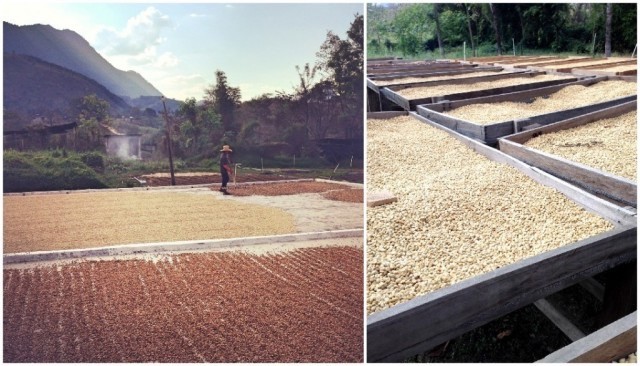
The treatment of coffee beans Coffee "honey treatment"
With the development of coffee today, the treatment of raw beans is mainly divided into water washing, sun exposure and the combination of the first two. Honey treatment belongs to the latter. To talk about honey treatment, we have to talk about boiling water washing and sun treatment from the coffee structure and the two oldest treatment methods. Coffee cherry structure from outside to inside Pulp: coffee cherry peel pulp Mucilage: pectin, gum. Save
2015-03-12 Coffee beans treatment way coffee honey treatment today raw beans
Lively sour Sidamo Gucci Coffee Flavor description treatment characteristics of Grinding degree introduction to varieties
The greatest advantage of Sidamo coffee beans is that the soil fertility is maintained through the circulation of organic matter, using the withered leaves of surrounding trees or plant roots as fertilizer. Therefore, the coffee produced in cities and towns has obvious differences and characteristics. In 2010-2012, it continuously obtained the high score of CR92~94, the authoritative coffee evaluation website in the United States. Thus it can be seen that the raw beans in this producing area
2016-10-20 Lively sour dharma ancient geisha coffee flavor description treatment grinding characteristics
The basic Flavor characteristics of Rosa rugosa introduction to the Variety treatment method of Grinding degree of Manor in production area
The rose summer coffee bean flavor description treatment method introduces the rose summer of the Panamanian emerald manor growing in the Boquete producing area at an altitude of 1500-1800 meters. When we tested the baking in the first pot, the baking degree was close to an explosion, with a great fragrance of sweet-scented osmanthus jasmine, as well as the sweetness of toffee candy and Sugar cane juice, with strawberry aromas and strong but gentle citrus citric acid in the mouth.
2016-10-21 Rose summer basic flavor characteristics classification production area manor grinding variety treatment
Treatment methods of coffee beans after picking wet treatment steps
As the harvest season is almost over, I would like to add an overview of the coffee processing process. In this blog post, I will introduce to you the steps of wet treatment in Yunnan after coffee picking. After harvest, the berries are either sent directly to the pulp collector (if the harvest is done well), or concentrated in a siphon tank filled with water. The berries are here.
2015-03-24 Coffee beans picking after treatment methods steps harvest season right away past
Indonesian Java Coffee Flavor Description Grind Treatment Taste Characteristics Variety Manor Introduction
Acidity: The strong acidity characteristic of all coffee grown in the plateau. The sour and spicy here is different from bitter and sour, and has nothing to do with pH value. It refers to a fresh and lively quality that promotes coffee to exert functions such as boosting the mind and cleansing the taste. The acidity of coffee is not acidic or sour in pH, nor does it make people uncomfortable when entering the stomach.
2016-10-14 Indonesia Java Coffee Flavor Description Grinding Processing Taste Characteristics Variety
Introduction of soft Sidamo Lion King Coffee beans with mild aroma and low citric acid
The coffee flavor of Sidamo is very diverse, and the different soil types, microclimate and countless native coffee species make the coffee produced in each town have obvious differences and characteristics. In 2010-12, it won three consecutive high marks from coffee review 92 to 94, which shows the extraordinary value of raw beans in this area! Domestic span
2016-06-22 Aroma mild low lemon sour sexual Dharma Lion King coffee beans medium
Washing South Shik (Nyamasheke) production area of Muxiui treatment Plant in the western province of Rwanda
Rwanda can be said to be a fast-growing boutique coffee producer in East Africa recently. Apart from the vivid memories of its sad story of the Luanda Holocaust, the quality of its boutique coffee has also improved very rapidly. This year, we have tested several fresh, very beautiful and elegant acids worthy of Rwanda. Like many African countries, Rwandan coffee is mainly produced by small farmers every year.
2016-07-05 Rwanda Western Province Muxiu treatment Plant Water washing Nansi Nyamashek
Introduction to the description of the taste and flavor in the producing area of the grindability treatment method of coffee in Nicaragua's Tianzhi Manor.
Nicaragua Shangri-La Esperanza producing country: Nicaragua Grade: SHG planting area: Sinotega label: Shangri-La Esperanza treatment method: wet treatment and sun-drying appearance: 0dgamble 300grgrgrgrRere 17-18SCR Variety: Kaddura Note: dry aroma full of chocolate flavor, accompanied by hazelnut and cocoa flavor. The wet aroma also tastes of chocolate.
2016-10-13 Nicaragua Divine Gift Manor Coffee Grinding processing Variety characteristics producing area mouth
Flavor description characteristics of Burundian AA Coffee introduction to the characteristics of Grinding degree by Variety treatment
Burundian Coffee Bean Flavor description the degree of grinding of coffee beans in Burundi is similar to that of Yisuobi, and most of them are produced in small ones. Farmers in the Nielu Deer Co-operative Society (Nyarunasi Cooperative) send their harvested ripe fruits to the processing system. The coffee received by the people is washed with traditional water and soaked in the sink after the fruit has been removed.
2016-10-19 Burundian coffee flavor description characteristics taste variety treatment grinding
The flavor and taste of Sidamo Coffee introduces the treatment of high-quality coffee beans.
Dharma's coffee flavor is very diverse, different soil types, microclimate and countless native coffee species, resulting in obvious differences and characteristics of coffee produced in each town. In 2010-12, it won three consecutive high marks from coffee review 92 to 94, which shows the extraordinary value of raw beans in this area! Across the territory
2016-06-27 Dharma coffee flavor taste introduction boutique coffee beans treatment way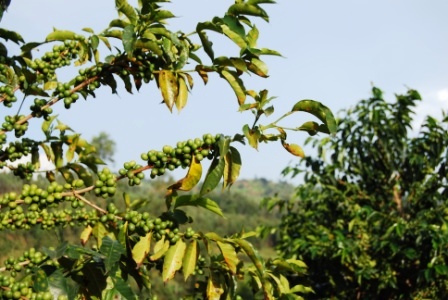
The flavor of red apple and cherry fruit washed by Muxiui treatment plant in western Rwanda
Rwanda can be said to be a fast-growing boutique coffee producer in East Africa recently. Apart from the vivid memories of its sad story of the Luanda Holocaust, the quality of its boutique coffee has also improved very rapidly. This year, we have tested several fresh, very beautiful and elegant acids worthy of Rwanda. Like many African countries, Rwandan coffee is mainly produced by small farmers every year.
2016-07-19 Wanda Western Province Mushu treatment Plant Water washing Red Apple Cherry Fruit Flavor
Costa Rica Fire Phoenix Manor Coffee Grind Treatment Variety Features Introduction
Although the development of fine coffee started late, but today Costa Rica's fine coffee has developed rapidly, with honey treatment of mild acid, soft taste and sweet high-quality berry flavor, has not been underestimated. The so-called honey treatment method: refers to the coffee beans in the water washing method to remove the peel pulp step, select the remaining part of the pectin meat to make it another fermentation
2016-10-13 Costa Rica Phoenix Manor Coffee Grind Treatment Variety Characteristics Region
Introduction to the characteristics of the method of grinding degree treatment for Ethiopian coffee with rich alcohol thickness
Ethiopia produces between 200000 and 250000 tons of coffee each year. Today, Ethiopia has become one of the largest coffee producers in the world, ranking 14th in the world and fourth in Africa. Ethiopia has a unique flavor that is different from other flavors and provides customers all over the world with a wide range of taste choices. In the southwest of Ethiopia
2016-10-08 Thickness richness Ethiopia coffee flavor description grinding treatment characteristics
Bali High quality rawbean greencoffee Solar treatment of imported Coffee Raw Bean from Indonesia
Indonesia Bali Karana Kintamani Ubud Natural country: Indonesia producing area: Kintamani Volcano area altitude: 1400 m harvesting season: June to September every year treatment method: sun varieties: USDA, Karka, SMUE 795 processing plant: Ubu processing plant flavor: ripe peach, pineapple, brown sugar in Bali traditional text
2016-03-10 Indonesia Import Coffee Raw beans Bali quality rawbean g
What are the different ways of handling different kinds of coffee?
. Water washing-increase fruit acid spirit: water washing is the most popular treatment method at present, and water washing is used in almost all Central and South America except Brazil. The color of the washed beans is blue and green, the appearance of the beans is neat and the pulse is good, and the coffee quality is the highest. Generally speaking, the sour flavor and bright feeling of washed beans are better, and the flavor is clean and free of miscellaneous flavor, which is the most commonly used method for the treatment of fine coffee.
2016-05-24 Different coffee all have what handle the way
Tanzanian Coffee treatment Origin of Tanzanian Coffee
Tanzania Coffee utensils Tanzania Coffee treatment method Gourmet Coffee has soft acidity and attractive aroma, which is absolutely worth enjoying. Coffee exports from Tanzania (Tanzania) play an important role in the whole national economy. Bean-shaped berry coffee is very productive and is said to be more fragrant than ordinary coffee. Generally speaking, there are coffee beans in Tanzania.
2016-05-27 Tanzania Coffee treatment way Origin utensils
Nicaragua Providence Manor Misael Sauceda honey treatment
Nicaragua's growing conditions are not inferior to those of Central America. Coffee is grown at high altitudes with shade. The taste is round and balanced. There is not a very sharp acid. The main factors are war and hurricane attacks. As a result, single farms cannot be operated continuously. There is no historical data for green bean traders to track down farm data. After 2003, the bad factors that caused coffee quality were removed.
2016-06-05 Nicaragua Providence Manor Misael Sa
Introduction to Fine Coffee with strong Flavor Flavor in Indonesia
Manning coffee is considered to be the most mellow coffee in the world. When tasting Mantenin, you can feel obvious lubrication on the tip of the tongue and low acidity, but this acidity can also be obviously tasted. Leaping slight acid mixed with the richest aroma, so that you can easily feel the lively factor in the mild fragrance. In addition, this kind of coffee has a light mud.
2016-08-23 Strong heavy Indonesia Fuyin manor coffee flavor taste characteristics boutique
What are the treatment methods of raw coffee beans?
The process of natural solarization is the simplest. The fruit begins the process of sun drying without treatment after picking. This is the oldest method of treatment in existence. This method is still used in places such as Ethiopia and Brazil. Natural solarization is most common in areas where water resources are scarce. The drying process usually lasts about 4 weeks. The way to deal with it must be very
2016-08-09 Coffee raw beans treatment methods which natural sun this method